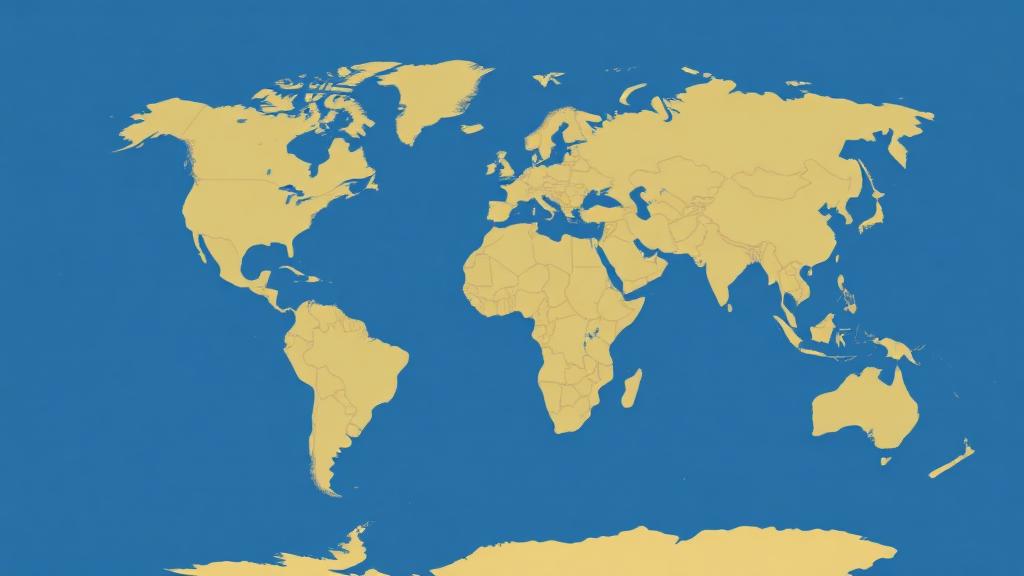
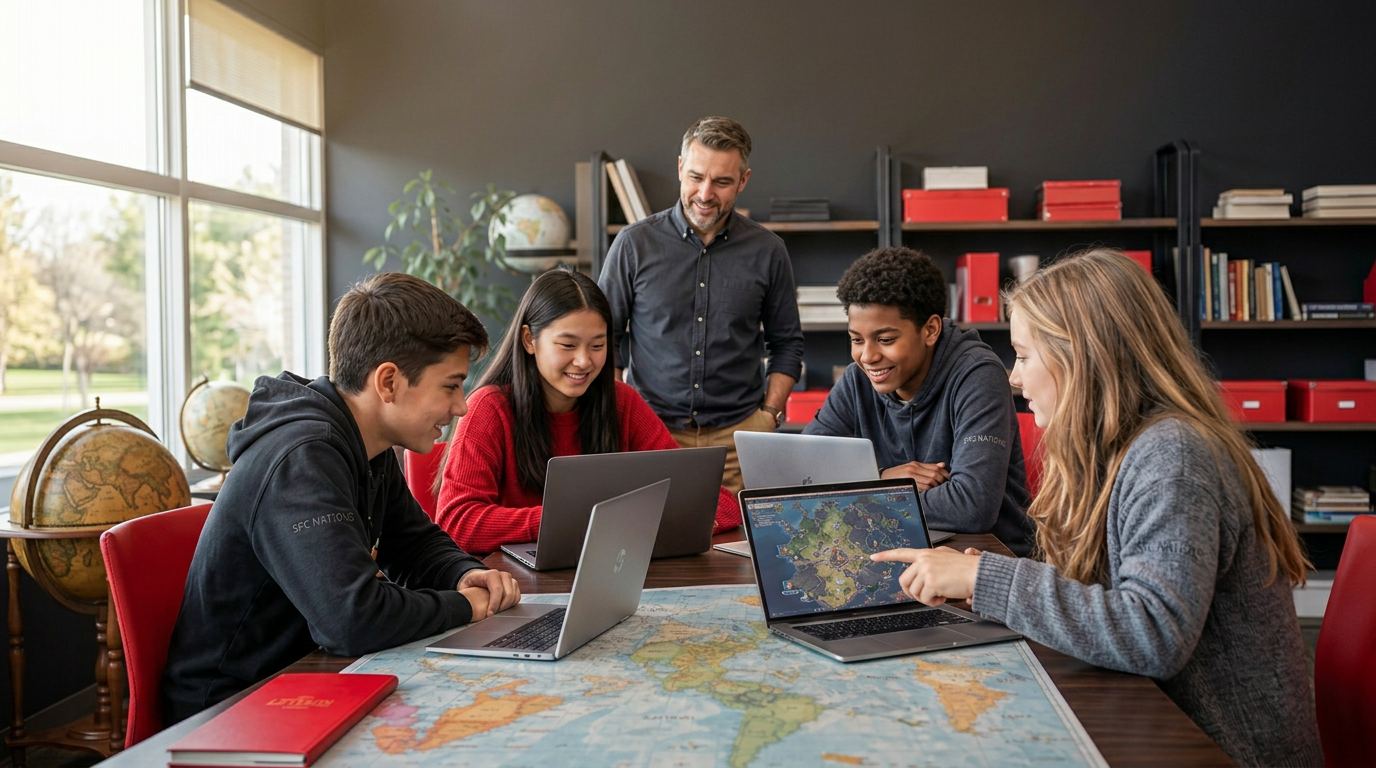
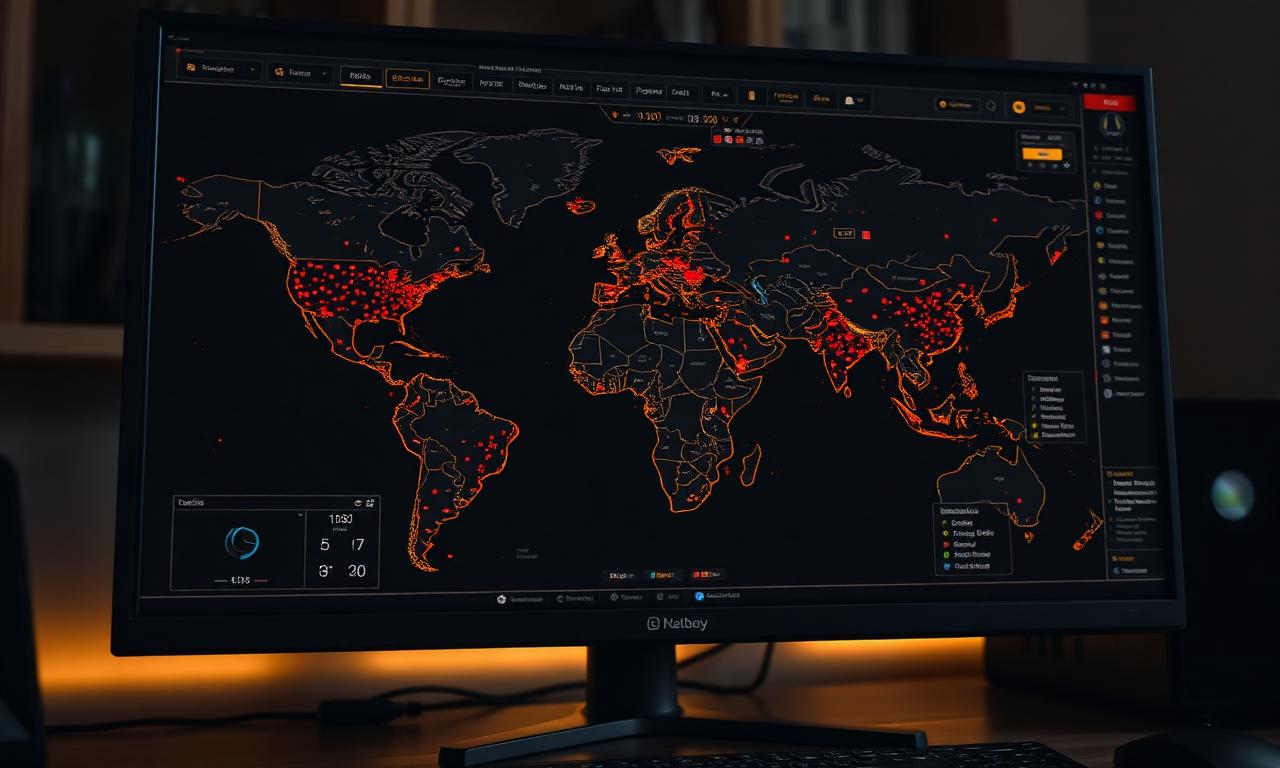
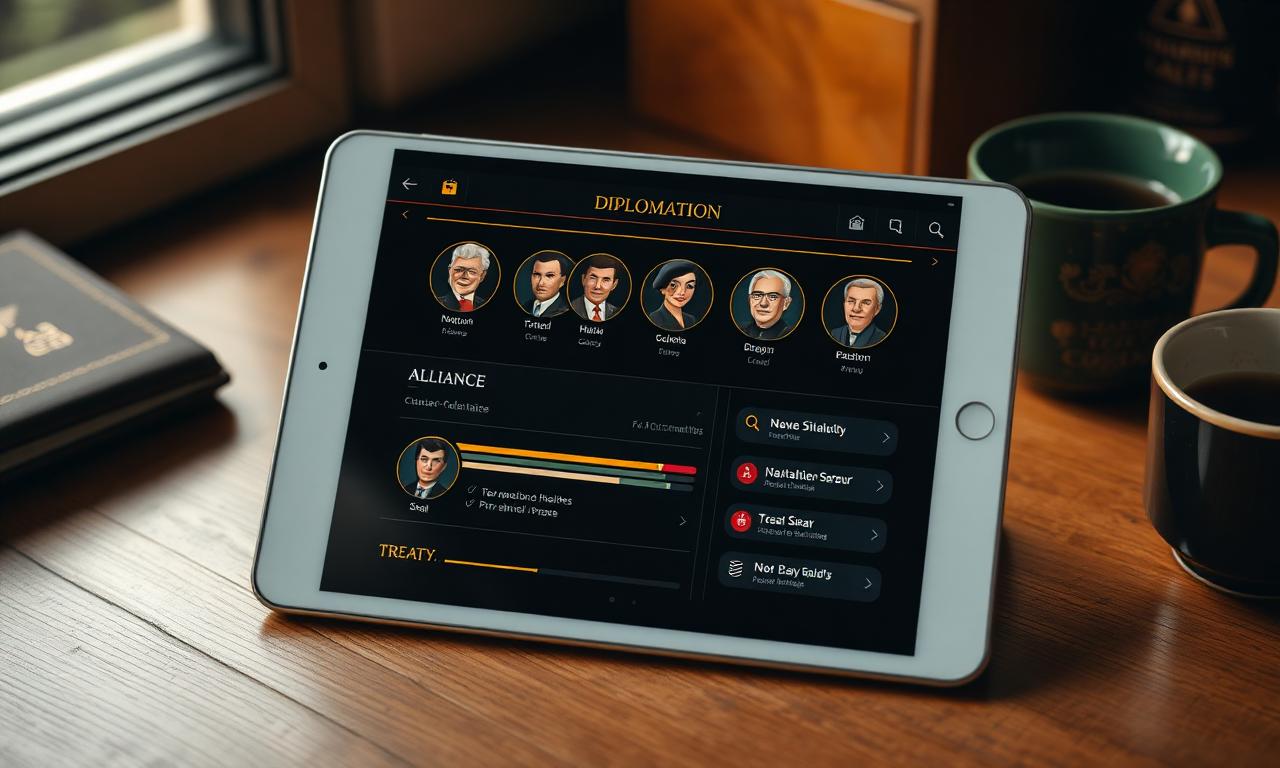
SFC Nations is played on a real Google-powered world map. Students choose an actual location, deal with its real timezone, trade across real continents, and learn world geography by living in it.
Real timezones (America/Chicago game clock, accurate local times)
Geography drives gameplay: location affects resources and neighbors
Learn continents, capitals, and trade routes through repetition
Cross-curricular with history and current events
Free, browser-based, no installs
Inside the game
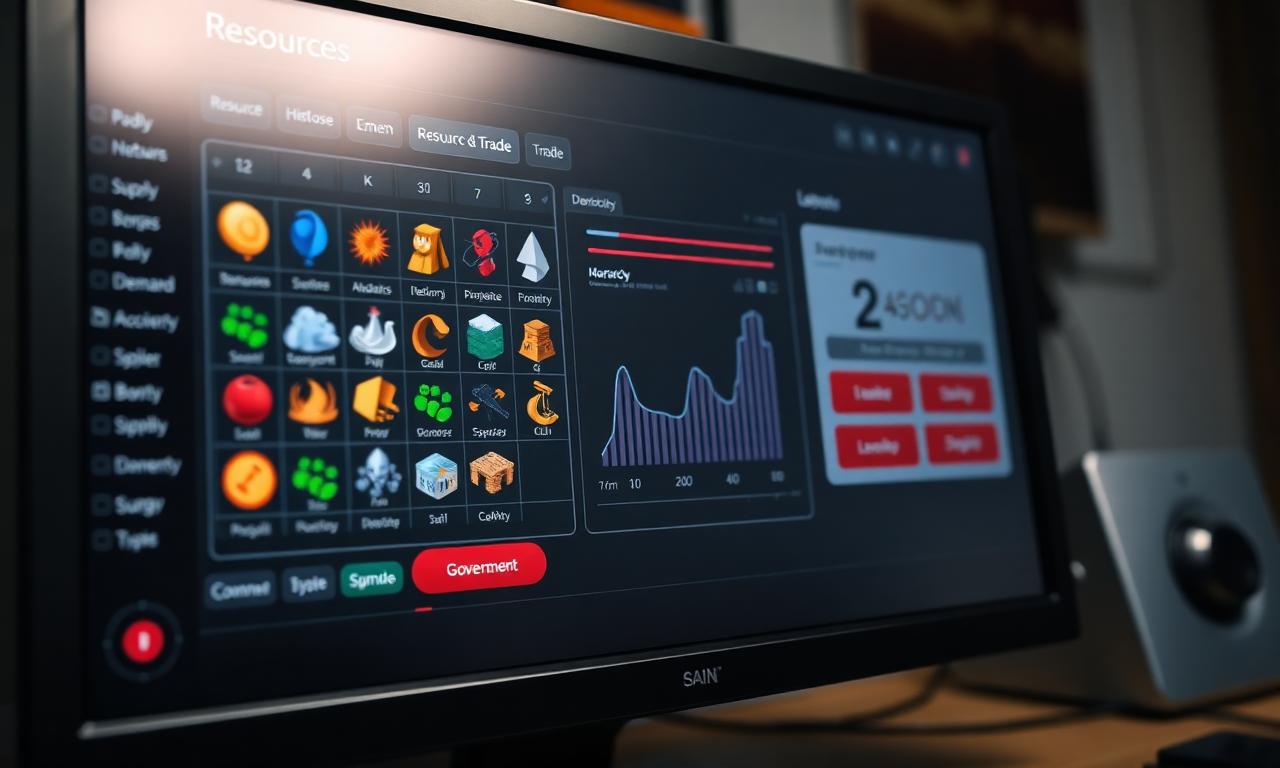
Real Google Maps locationsResources tied to real geographyTrade across continents
Do this together right now
Geography: play together in 60 seconds
Open the map in your head first: match each country to its capital, then take the quiz together. Fresh set each replay.
Preview: This quick match + warm-up quiz is a small taste of what's inside the full Geography lesson plan you can download below — expect more activities, discussion prompts, and assessment rubrics in the same style.
Match the country to its capital
0 / 5 matched
Tap a country, then tap its capital city.
Term
Match
Geography learned through gameplay, not memorization
Pick a location in Mongolia, and your student will end up Googling Ulaanbaatar's climate to plan their economy. Trade with a player in Argentina, and they'll quietly absorb that South America is in a different hemisphere. Repetition through interest beats flashcards.
What it covers
World map literacy. Continents and capitals. Climate and biome influence on economies. Timezones and the international date line. Trade routes and global supply chains. The relationship between geography and geopolitics.
How families use it
A common pattern: each week the student picks a new region to learn about, finds it on the in-game map, researches it briefly, then makes a trade or alliance with a nation in that region. Geography becomes a series of small adventures instead of a textbook.
Frequently asked questions
Does it use a real map or a fictional one?
Real world map powered by Google Maps. Students pick actual cities and regions.
Younger kids — can they play?
Yes with a parent. Map exploration alone is great for under-10s.